The Moroccan city of Fez is home to the oldest university in the world, founded and opened in 859. |
1001  
|
The state is home to a diverse population, including the Tuaregs, who once had a unique custom of concealing their faces from others. It was believed that if a Tuareg's face was seen unexpectedly, they were obligated to either kill the person or themselves. Fortunately, this intriguing tradition has faded into history. |
1001
|
Many residents of Morocco are ethnic Berbers. By the way, the word Berbers comes from the French barbarians. |
1001
|
Morocco is a land of diverse landscapes, including the famous Sahara Desert, which covers a significant part of the country's territory. |
1001
|
In the country, it is customary to bargain everywhere. After successful bargaining, the price can fall tenfold. Moroccans do not respect those who do not bargain. Bargaining here is a sport that both parties enjoy. |
1001
|
Traditional Moroccan buildings that can be seen in the countryside are always the same color as the ground on which they are built. In Morocco, you can ski in the winter. Of course, in the mountains. In winter, snow lies there for several months. |
1001
|
The most popular sport in Morocco is football. |
1001
|
But dancing, for example, is not common in Morocco at all. And dancing in public is not acceptable at all. |
1001
|
The country does have the most delicious tangerines and oranges in the world. |
1001
|
The world's tallest religious building is the two-hundred-meter-tall minaret of the Hassan II Mosque in the Moroccan city of Casablanca. |
1001
|
The land is a leader in date production. In the most fertile corners of this country, one date palm produces about fifty kilograms of dates annually. |
1001
|
Morocco has a vast number of camels, with one-humped dromedaries predominating. Moroccans value these animals very much, but due to their prevalence, their cost is low - about a thousand dollars. |
1001
|
Morocco's popularity as a tourist destination is mainly due to its iconic cities such as Marrakech, Casablanca, Fez, and Rabat. Marrakech, in particular, is known for its bustling souks, historic palaces, and bustling Jemaa el-Fnaa square. |
1001
|
The country's diverse geography, including the Sahara Desert, the Atlas Mountains, and picturesque coastal regions along the Atlantic Ocean and the Mediterranean Sea, attracts nature lovers and adventurers. |
1001
|
The rich local cultural heritage, including unique architecture, traditional crafts, and renowned cuisine, is another major tourist draw. UNESCO World Heritage Sites, such as the Medina of Fez and the Ksar of Ait Benhaddou, add to its appeal. Accessibility: Morocco's well-developed tourism infrastructure and proximity to Europe make it a convenient destination for international travelers. |
1001
|
Morocco's Alaouite dynasty, which began in 1666 under Sultan Moulay Rachid and claims descent from the Prophet Muhammad, has provided stability through various historical periods. King Mohammed VI, who took the throne in 1999, modernizes the country while preserving its cultural heritage, symbolizing national unity. |
1001
|
Local artisans use traditional techniques like tie-dyeing and resist dyeing to create intricate patterns, preserving cultural heritage. Hand-dyed fabrics are made into clothing, home textiles, and decorative items, valued by locals and tourists alike. |
1001
|
The land is famous for its delicious, interesting and varied cuisine. It shows rich cultural heritage and diverse influences. Moroccan cuisine is a mix of Berber, Arabic, Mediterranean, and French culinary traditions, resulting in a unique and flavourful dining experience. |
1001
|
The local cuisine's key dishes include tagine, a slow-cooked stew of meat, vegetables, and a mix of spices such as cumin, turmeric, and saffron, cooked in a distinctive conical clay pot. Couscous, another staple, is often served with vegetables, meat, and a spiced broth. Moroccan cuisine is also known for its use of preserved lemons, olives, and a variety of fresh herbs. |
1001
|
Hand-dyed fabrics are a traditional craft existing in cities like Fez and Marrakech. These people use natural dyes from plants, minerals, and insects to create vibrant colors. The process consist of preparing the dye, dipping the fabric, and drying it, often repeated to achieve the desired shade. |
1000
|
The local pastries and sweets are no less notable. They often contain almonds, honey, and orange blossom water. Popular treats include baklava, a pastry drizzled with honey, chakra, and sesame cookies fried and covered in syrup. |
1000
|
Morocco has a thriving wine industry produces quality wines that are prized both domestically and internationally. The country's winemaking traditions go back thousands of years to Phoenician and Roman times, but modern viticulture began during the French colonial period in the early 20th century. Morocco's wine regions, located primarily in the foothills of the Atlas Mountains and on the Atlantic coast, feature diverse microclimates and fertile soils ideal for growing grapes. The main grape varieties are Carignan, Grenache, Cinsault, and Sauvignon Blanc. |
1000
|
The local mint tea, or atay, is a key part of Moroccan hospitality. This sweetened green tea, infused with fresh mint and sugar, is brewed and poured from a height to create foam. Served in small glasses, it represents warmth and is enjoyed throughout the day. |
1000
|
Coffee, especially the aromatic Arabica variety, is popular in the country. It is typically served in small cups after meals or during breaks, and brewedb with spices like cinnamon or cardamom; it holds a unique flavor. Both coffee and tea are very important to Moroccan culture, symbolizing hospitality and bringing people together in homes, cafes, and souks. |
1000
|
Morocco has ski resorts in the Atlas Mountains, with Oukaimeden being the most famous. Located near Marrakech at around 2,600 meters (8,500 feet), it offers skiing and snowboarding from December to March. |
1000
|
Oukaimeden boasts beautiful views of the Atlas Mountains and offers ski lifts, equipment rentals, and accommodation. Its stable snow conditions make it a popular winter sports destination for both locals and tourists. |
1000
|
Morocco's coastline is varied along the Atlantic Ocean and the Mediterranean Sea, offering a variety of quality beaches that appeal to both locals and tourists. |
1000
|
All vegetarians and left-handed writers should familiarize themselves with Moroccan etiquette before leaving the plane. It is considered rude to refuse meat offered to you, so it is a good idea to let them know in advance that you are a vegetarian. It is also not customary to take food with your left hand in Morocco, which is considered rude. |
1000
|
The word genie that we all associate with Disney's Aladdin comes from the Arabic word jinn. A genie is a spiritual being believed in Morocco to play a role in a person's life and affairs when needed. These genies are usually associated with water and are believed to haunt baths, saunas, drains, and even water in pots and pans. |
1000
|
The vast markets of Marrakech, called souks, are famous worldwide. The largest and most popular of them is Djemaa el-Fna, which means meeting of the dead. Here, you can buy food and drinks and watch a variety of street performers, including snake charmers. |
1000
|



 Share
Share

 PNG
PNG  PNG
PNG 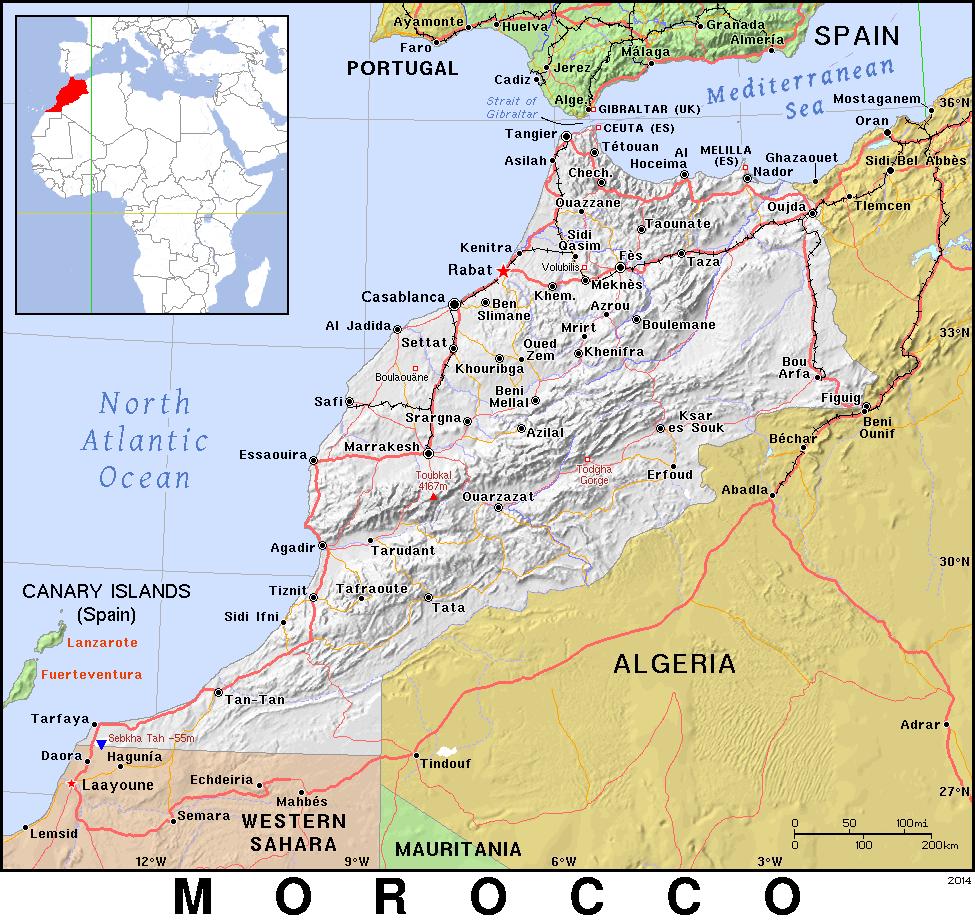 GIF
GIF  ZIP (TXT)