In Maori, New Zealand—Aotearoa—means 'land of the long white cloud'. This name stems from traditional Maori lore, reflecting how the horizon in New Zealand is often shrouded in long, white clouds, resembling a long cloud when seen from space. |
1001  
|
The country is a sparsely populated place. Geographically, it is similar in size to the UK, but its population is only 4.47 million (compared to the UK's 64 million). And there are far more sheep than people: there are about six sheep for every New Zealander – one of the highest ratios in the world. |
1001
|
In the land, it's never more than a day's drive to the beach – no point in the country is more than 128km from the ocean – so you can easily ski and surf the same day. |
1001
|
Humans appeared in Africa, then spread across Europe, Asia, North America, Australia, and finally New Zealand, landing here about 800 years ago. That was tens of thousands of years later than most parts of the world. |
1001
|
This land was once home to a monstrously large bird—the now-extinct Moa bird, which stood 3.6 meters tall and weighed a whopping 230kg. Such unique and fascinating wildlife is a testament to the diversity of New Zealand's natural world. |
1001
|
The most remote corner of the planet also is the most progressive. New Zealand granted women the right to vote in 1893, long before countries like the US and UK. This early recognition of equality and rights is a source of inspiration and respect. |
1001
|
When you think of New Zealand, you probably think of nature. Not only is the country entirely of stunning mountains and beautiful beaches, but 3/4 of its territory is a nature reserve, ensuring that nature will remain untouched for many decades. |
1001
|
Why do people always say Kiwi when talking about New Zealand? It turns out that's not just the name of the fluffy fruit you buy at your local supermarket but also the name of a bird native to the country. It also serves as an affectionate nickname for the locals. |
1001
|
Traffic here is on the left. |
1001
|
The symbol of the state is the kiwi bird. These fascinating animals live only in New Zealand. You will not meet them in any other part of the world. In addition, the country's residents use the word kiwi to denote the wingless bird and themselves. |
1001
|
The local population lives a measured, unhurried life. Residents are not used to staying late at work; they are calm about slow service in restaurants or hiring for several months. |
1001
|
What interesting things can be said about the country and its economy? First, the state had no money before the Europeans arrived on the islands. Initially, the indigenous population used the barter principle, exchanging their goods for the locals' needs. |
1001
|
About a third of the state is occupied by national parks protected by law. The authorities are so concerned about preserving the territory in its original form that all park visitors must treat their shoes with special sprays at the entrance. This unwavering commitment to environmental conservation is something to be appreciated and supported. |
1001
|
The country has been the setting for many great films, including The Lord of the Rings trilogy, The Hobbit, King Kong, The Last Samurai, and many more. |
1000
|
This is the first country in the world where the right to vote in elections was granted to everyone, regardless of gender and religious affiliation. However, the residents decided that this was not enough. From 2005 to 2006, New Zealand became a state where the main posts were occupied exclusively by representatives of women. |
1000
|
Due to its location in the Southern Hemisphere, winter in New Zealand lasts from June to August and summer from December to February. |
1000
|
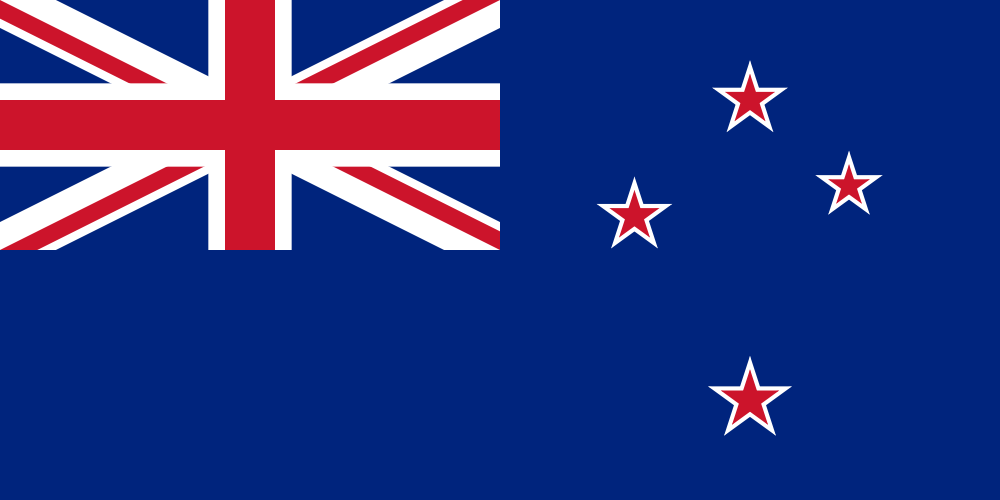
The state has two anthems, not one, like in most countries. |
1000
|
New Zealand supplies the largest amount of lamb and dairy products to the world market, accounting for more than half of all lamb. |
1000
|
There are no snakes in New Zealand at all. Here, you won't have to worry about poisonous creatures biting you during walks in nature or hiking. |
1000
|
Residents of the country receive the right to drive a car at the age of 15. |
1000
|
There are no orphanages in the country, and those wishing to adopt a child sometimes have to wait several years. |
1000
|
One local danger is the risk of severe sunburn. The reason is the ozone hole, in which the country's sphere of influence is located. Staying in the open sun for over five minutes poses a serious health hazard. It is necessary to constantly apply sunscreen with a high protection factor. In some places, such products are provided free of charge to everyone. |
1000
|
New Zealand can boast of a complete absence of corruption. Many residents of the country do not even imagine that it is possible to solve problems with the help of bribes. Not a single official or policeman will take money from you in the event of even the slightest violation of the law. |
1000
|
This country can boast of creating the first disposable syringe in the world. |
1000
|
It is forbidden to make fires in the country. This ban is imposed because of the high risk of fires, and the country's residents are cautious about nature. |
1000
|
The country is where a rare carnivorous insect lives - the albino snail. |
1000
|
The streets in New Zealand are so clean that residents often walk barefoot on the sidewalks. |
1000
|
Most people in this country like coffee. There are a large number of coffee shops in each city. They make delicious coffee with a bright aroma. Tea is the second most popular drink, but it is drunk much less often. |
1000
|
The country is home to the famous Blue Lake, which has the clearest water on the planet. |
1000
|
The land is home to the largest population of penguins in the world. |
1000
|



 Share
Share

 PNG
PNG  PNG
PNG  GIF
GIF  ZIP (TXT)